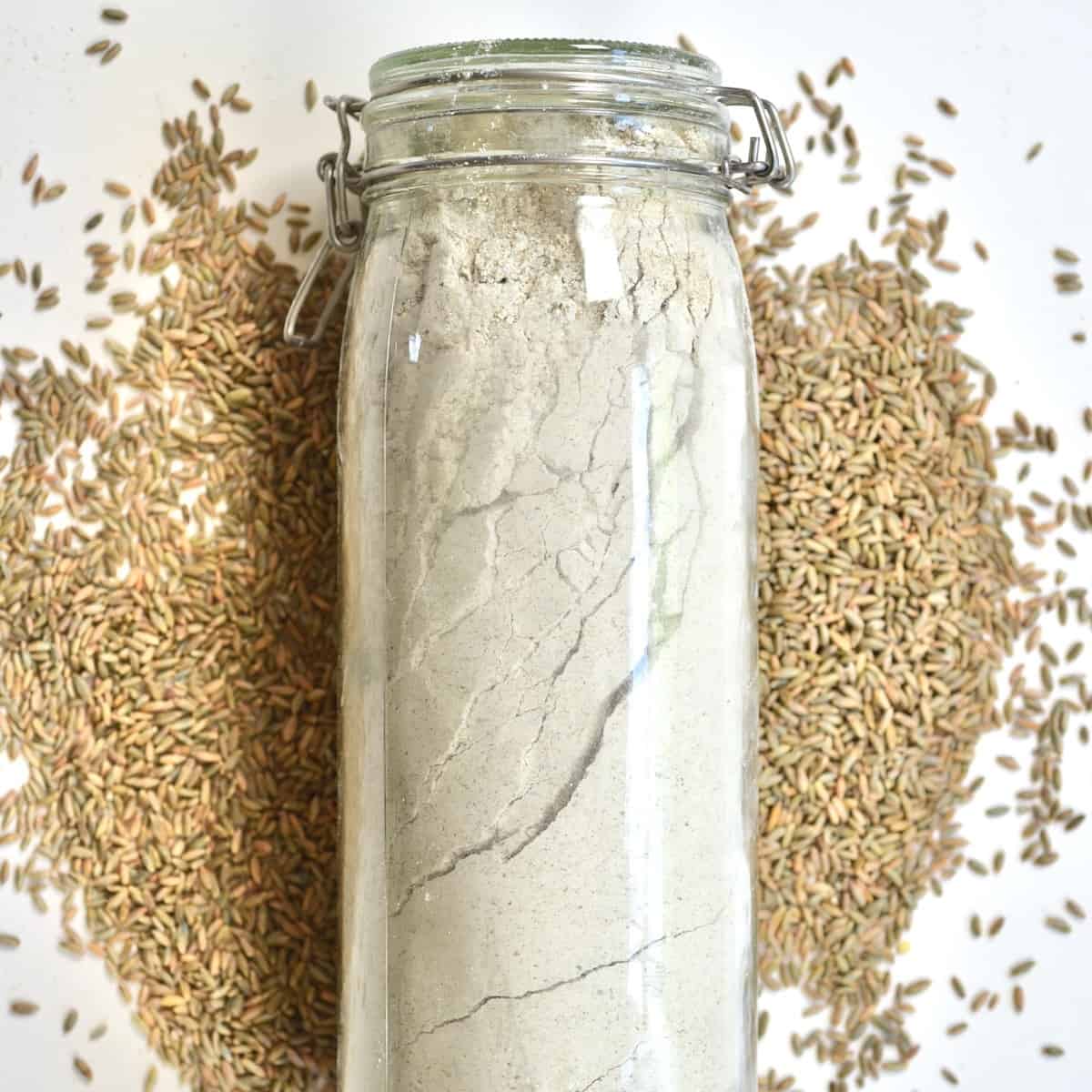
Unlocking the Power of Homemade Rye Flour: A Journey from Berry to Bake
Are you looking to elevate your baking, enhance the nutritional value of your meals, and explore ancient grains with rich, robust flavors? Then venturing into the world of homemade rye flour, specifically the dark and hearty pumpernickel variety, might be your next culinary adventure. While the idea of milling your own flour might seem a little 'extra' at first glance, the benefits in terms of freshness, flavor, and cost-effectiveness are undeniable. This guide will walk you through everything you need to know about making your own rye flour at home, clarify its gluten status, and explore the myriad benefits and uses of this powerful grain.
What is Rye, and How Does Pumpernickel Flour Fit In?
Rye is an ancient cereal grain, closely related to wheat and barley, yet possessing its own distinct characteristics. Tracing its roots back over 2000 years, rye was once considered a "poverty grain," a staple for those in colder climates where wheat struggled. Today, however, rye has shed its humble image and is celebrated for its unique flavor and impressive nutritional profile, appearing in everything from artisanal breads to crispbreads and spirits.
One of rye's most defining features is the difficulty in separating its bran and germ from the endosperm during milling. This natural resistance to refinement means that most rye flours, especially those milled at home, retain a significant portion of their nutrient-dense outer layers. In contrast, highly refined wheat flours often strip away these valuable components. This inherent whole-grain quality is where much of rye's nutritional power lies.
So, what about pumpernickel flour? Essentially, pumpernickel flour is a specific type of whole grain rye flour. Think of it this way: just as whole wheat flour is to refined white flour, pumpernickel flour is to lighter rye flours. It is made from the entire rye berry, coarsely ground, which gives it a darker color and a more intense, earthy flavor. The term "pumpernickel" often evokes images of dense, dark bread, and the flour itself is the foundation for such traditional loaves. If you're looking to dive deeper into their differences, explore our article on Pumpernickel Flour vs. Rye: The Whole Grain Truth & Nutrition.
Is Homemade Rye Flour Gluten-Free? Addressing a Common Misconception
Despite some initial confusion, likely due to its name sounding distinct from "wheat," it's crucial to understand that rye flour is NOT gluten-free. For individuals with celiac disease or severe gluten sensitivity, rye flour is unsafe to consume. While rye does contain gluten, it's a different type called 'gliadin' (compared to the 'glutenin' found prominently in wheat), and its structure behaves differently during baking.
This difference in gluten composition is why rye doughs are typically less elastic and don't achieve the same lofty rise as wheat-based breads. Instead of forming a strong, stretchy network, rye gluten creates a stickier, denser crumb. This results in the characteristic moist, chewy texture beloved in rye breads. Even dark rye flours can contain a substantial gluten content, sometimes as high as 16%, so caution is always advised for those avoiding gluten.
The Undeniable Benefits of Baking with Freshly Milled Rye & Pumpernickel Flour
Beyond the satisfaction of creating something from scratch, choosing to make rye flour pumpernickel flour at home unlocks a treasure trove of benefits:
- Superior Nutrition: Since homemade rye flour utilizes the entire rye berry, it's packed with vitamins, minerals, antioxidants, and dietary fiber. A modest serving can provide a significant portion of your daily recommended intake for manganese (essential for bone health and metabolism), fiber (crucial for digestive health and satiety), phosphorus, and copper. It also boasts a higher lysine content than wheat flour, an essential amino acid.
- Enhanced Flavor Profile: Freshly milled flour has an incomparable flavor. Rye, especially the darker pumpernickel grind, offers a distinct earthy, slightly sour, and robust taste that deepens with baking. This isn't just about taste; it also contributes to the bread's aroma and overall eating experience.
- Digestive Health: The high fiber content in whole grain rye flour is excellent for gut health. It acts as a prebiotic, feeding beneficial gut bacteria, and promotes regularity, contributing to overall digestive wellness.
- Cost-Effectiveness: Buying rye berries in bulk is often more economical than purchasing pre-milled specialty flours, especially organic or whole grain varieties.
- Reduced Processing & Preservatives: When you mill your own, you control exactly what goes into your flour – just 100% rye berries. This means no anti-caking agents, bleaching, or other additives often found in commercial flours.
- Unique Baking Properties: Rye flour doesn't require blending with wheat flour to make yeast-risen breads, a unique trait among cereal grains. This allows for purer rye loaves, though some recipes do incorporate wheat to achieve a lighter crumb.
How to Make Your Own Rye (Pumpernickel) Flour at Home
The process of making your own rye flour, particularly the pumpernickel variety, is surprisingly simple. You only need one ingredient and the right equipment.
What You'll Need:
- Whole Rye Berries: Source high-quality, whole rye berries. These are sometimes labeled as 'rye grain' or 'rye groats'. Ensure they are food-grade and free from debris.
- Grain Mill or High-Powered Blender:
- Grain Mill: This is the ideal tool for consistent, fine flour. Most home grain mills allow you to adjust the coarseness, which is perfect for achieving that characteristic pumpernickel texture.
- High-Powered Blender: If you don't have a grain mill, a robust blender (like a Vitamix or Blendtec) can work. You'll need to blend in small batches and pulse carefully to avoid overheating the flour and to achieve an even grind.
- Airtight Container: For storing your freshly milled flour.
Step-by-Step Guide:
- Prepare Your Equipment: Ensure your grain mill or blender is clean and dry.
- Measure Rye Berries: Start with about 1/2 cup to 1 cup of rye berries. Milling in smaller batches is generally better, especially with a blender, to prevent overheating and achieve an even grind.
- Mill the Berries:
- Using a Grain Mill: Follow your mill's instructions. Set the mill to your desired fineness. For pumpernickel flour, a coarser grind is traditional, but you can adjust it for a finer flour if desired. Pour the rye berries into the hopper and let the mill do its work.
- Using a High-Powered Blender: Add the rye berries to the blender jar. Start blending on a low setting and gradually increase to high. Pulse the mixture, shaking the jar occasionally to ensure the berries are evenly ground. Blend until you reach your desired consistency – a coarse, meal-like texture for pumpernickel, or finer for general rye flour. Be careful not to over-blend, as this can heat the flour and degrade its quality.
- Cool and Store: Once milled, the flour may feel slightly warm. Allow it to cool completely before transferring it to an airtight container. Store your freshly milled rye flour in a cool, dark place. For longer shelf life, especially if you won't use it quickly, refrigerate or freeze it. Freshly milled whole grain flours can go rancid faster than commercial flours due to their higher oil content.
For more detailed instructions and troubleshooting tips, don't miss our guide on How to Make Whole Grain Rye Flour for Healthier Baking.
Delicious Uses for Your Homemade Rye & Pumpernickel Flour
With a fresh batch of homemade rye or pumpernickel flour, your baking possibilities are endless. Its robust flavor and unique texture lend themselves to a variety of applications:
- Sourdough Starters: Rye flour, particularly the whole grain variety, is incredibly potent for creating and maintaining a vibrant sourdough starter. Its rich nutrient content provides ample food for yeast and bacteria, leading to a strong, active starter.
- Traditional Rye Breads: This is arguably its most famous use. From dense pumpernickel loaves to lighter sourdough rye breads, the flour provides that characteristic dark color, hearty texture, and complex flavor. Some recipes might blend it with a small amount of wheat flour to achieve a slightly higher rise, but pure rye breads are highly prized.
- Crackers and Crispbreads: For a delightful crunch and earthy flavor, use your rye flour to make homemade crackers or traditional Scandinavian crispbreads.
- Muffins and Pancakes: Substitute a portion of your regular flour with rye flour in muffin, pancake, or waffle recipes for an added depth of flavor and nutritional boost. Start with a 1:1 ratio if aiming for a denser texture, or experiment with a 1:3 ratio (rye to wheat) for a lighter result.
- Thickening Agent: Its unique starch composition makes rye flour an excellent thickener for stews, sauces, or gravies, imparting a subtle, savory undertone.
- Boston Brown Bread: A classic American recipe often featuring pumpernickel flour, molasses, and steamed in a can, resulting in a dark, moist, and slightly sweet loaf.
Conclusion
Embracing the process of making your own rye and pumpernickel flour at home is a rewarding journey that connects you more deeply with your food. From understanding its fascinating history and unique gluten properties to harnessing its incredible nutritional benefits and versatile uses, homemade rye flour offers a superior baking experience. So, grab some rye berries, fire up your mill, and prepare to unlock a world of robust flavors and healthier bakes right in your own kitchen.
