Pumpernickel Flour vs. Rye: Decoding the Whole Grain Truth & Nutrition
The world of whole grains can sometimes feel like a culinary maze, with terms often used interchangeably, leading to confusion. One such pair is "pumpernickel flour" and "rye flour." Are they the same? Is one healthier? For home bakers and health-conscious foodies alike, understanding the subtle yet significant differences can revolutionize your baking and enhance your nutritional intake. In this comprehensive guide, we'll demystify these hearty flours, delve into their rich history and health benefits, and most excitingly, show you exactly how to make rye flour pumpernickel flour right in your own kitchen for unparalleled flavor and nutrition. For those embarking on a journey towards healthier, tastier baked goods, venturing into homemade flours is a game-changer. Freshly ground flours, particularly whole grain varieties like pumpernickel, offer an aromatic depth and nutritional punch that often surpasses store-bought alternatives. They are not only more cost-effective in the long run but also offer the satisfaction of knowing precisely what goes into your food, with minimal processing.Unpacking Rye: A Grain with History and Health Benefits
Rye, a resilient cereal grain, holds a storied past. While it visually resembles wheat—though typically longer and more slender—it has historically been associated with sustenance for the less affluent, earning it the moniker "poverty grain" for centuries. However, in modern times, rye has rightfully shed this old image, emerging as a beloved ingredient in artisanal breads and baked goods, prized for its distinctive flavor and robust nutritional profile. Rye shares a genetic lineage with wheat and barley but stands apart in several key aspects. One of its most remarkable characteristics lies in the difficulty of cleanly separating the germ and bran from the endosperm during milling. This inherent quality means that *most* rye flours, even those not explicitly labeled "whole," tend to retain a significant portion of their nutrient-dense components compared to highly refined wheat flours. Let's talk nutrition. Rye is a powerhouse of essential vitamins, minerals, antioxidants, and dietary fiber. A modest 1/3 cup serving of rye flour can provide a staggering 63% of the daily recommended manganese, a crucial mineral for bone health and metabolism. It also boasts 30% of your daily fiber needs, aiding digestion and promoting satiety, along with 26% phosphorus and 22% copper. Beyond these, rye flour contains a higher lysine content than wheat flour, an essential amino acid often limited in other grains. Its unique composition contributes to stable blood sugar levels and prolonged energy release, making it an excellent choice for a healthy diet. Another distinctive feature of rye is its baking prowess. Unlike many other grains, rye flour doesn't *require* blending with wheat flour to create yeast-risen breads. While a blend can produce a lighter crumb, rye's inherent structure allows it to stand alone, a testament to its unique gluten composition, which we'll explore further.The Nuance of Rye Flours: From Light to Pumpernickel
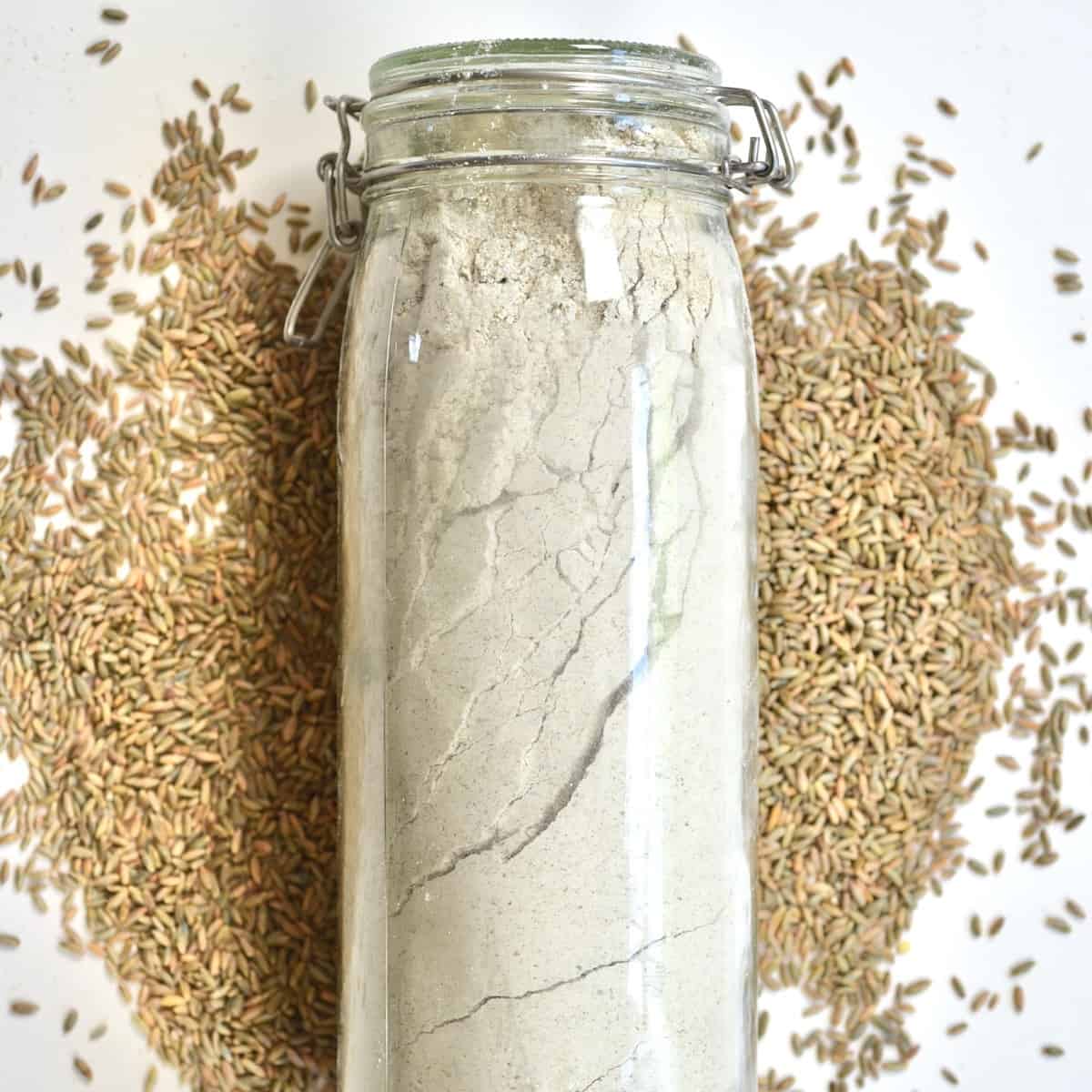
The world of rye flour can be a labyrinth, with numerous varieties and often ambiguous labeling that leaves consumers guessing. To truly appreciate the "whole grain truth," it's crucial to understand the spectrum of rye flours available. The main varieties include chop, meal, light, medium, and dark flour, each distinguished by how much of the rye berry is included and its grind consistency. This is where pumpernickel flour enters the conversation, clarifying the primary distinction. Simply put, pumpernickel flour is a specific type of rye flour. To draw a clear analogy, think of it this way: what refined white flour is to whole wheat flour, so is highly refined rye flour to pumpernickel flour. Pumpernickel flour is synonymous with whole grain rye flour. It is made by coarsely grinding the *entire* rye berry, including the bran, germ, and endosperm. This ensures that every single nutrient, fiber, and flavor compound present in the original grain is retained in the flour. This coarse grind and complete inclusion of the berry give pumpernickel its signature dark color, robust flavor, and incredibly dense, chewy texture when baked. Its deep, earthy notes are what make traditional pumpernickel bread so uniquely satisfying. In contrast, other rye flours might be milled to different specifications. Light rye flour, for instance, has most of the bran and germ removed, resulting in a lighter color and milder flavor, more akin to white wheat flour. Medium and dark rye flours contain varying amounts of the outer layers, offering a gradient of color and taste between light rye and full-on pumpernickel. But when you hear "pumpernickel flour," you should think "whole grain, coarsely ground rye."Demystifying DIY: How to Make Pumpernickel Flour (Homemade Whole Grain Rye)
The thought of milling your own flour might sound intimidating, perhaps even "extra," but the benefits are immense. Beyond the incredible flavor and superior nutritional content, the process of learning how to make rye flour pumpernickel flour at home is surprisingly straightforward and incredibly rewarding. It grants you control over the freshness, grind consistency, and ultimately, the quality of your baked goods. Here's what you'll need and how to do it:Ingredients:
- Rye Berries: These are the whole, unprocessed grains of rye. Look for food-grade, organic rye berries from a reputable supplier. Ensure they are clean and free from debris.
Equipment:
- Grain Mill: This is the ideal tool for making fresh flour. Grain mills allow you to adjust the coarseness of your grind, making them perfect for achieving the signature coarse texture of pumpernickel flour.
- High-Speed Blender (with a dry container attachment): While not as efficient as a dedicated grain mill, a powerful blender can work in a pinch. You'll need to work in small batches and be mindful of overheating the grains.
The Process:
- Prepare Your Rye Berries: Measure out the desired amount of rye berries. Typically, 1 cup of rye berries yields approximately 1.5 cups of flour. Give them a quick visual inspection to ensure no foreign objects are present. There's usually no need to wash them unless specified by the supplier.
- Grind for Pumpernickel:
- Using a Grain Mill: Set your grain mill to a coarse grind setting. Pour the rye berries into the hopper and start the mill. The resulting flour should have a rustic, somewhat gritty texture with visible flecks of bran, indicative of true pumpernickel flour.
- Using a High-Speed Blender: Add a small amount of rye berries (e.g., 1/2 cup) to your blender's dry container. Pulse in short bursts, allowing the motor to rest between pulses, to prevent overheating. Continue until you achieve a coarse, meal-like consistency. Avoid over-processing, which can turn it into a finer flour or even paste if moisture is released.
- Store Your Fresh Flour: Freshly milled flour retains its peak flavor and nutritional value for a shorter time than commercial flours due to the presence of germ oils. Store your homemade pumpernickel flour in an airtight container in a cool, dark place for immediate use (up to a week). For longer storage, transfer it to the refrigerator (up to a month) or the freezer (several months).
For more detailed insights into the process and benefits of milling your own flour, check out our guide on How to Make Whole Grain Rye Flour for Healthier Baking.
Baking with Pumpernickel: Tips, Tricks, and Gluten Considerations
Now that you've mastered how to make rye flour pumpernickel flour, it's time to unlock its baking potential. However, working with pumpernickel flour is distinct from baking with wheat flour, primarily due to its unique gluten structure.Is Rye Flour Gluten-Free?
This is a common misconception. Despite popular belief, rye flour is NOT gluten-free. It contains gluten, making it unsuitable for individuals with celiac disease or severe gluten sensitivity. However, the type of gluten found in rye is different from that in wheat. Rye gluten, primarily 'gliadin,' lacks the robust elasticity of wheat gluten. This means rye doughs don't develop the same strong, extensible network that traps gases and creates airy, high-rising loaves.
Instead, rye flours produce a sticky, denser dough that results in bread with a tighter crumb and a characteristic chewy texture. This unique interaction means pumpernickel bread often has a much more compact structure compared to a light, fluffy wheat loaf. For a deeper dive into rye's gluten content and other benefits, read Homemade Rye Flour: Is It Gluten-Free? Benefits & Uses Explored.
Tips for Baking with Pumpernickel Flour:
- Hydration is Key: Rye flour, especially whole grain pumpernickel, is highly absorbent. Rye doughs tend to be very sticky, almost paste-like. Don't be tempted to add too much additional flour; embrace the stickiness and ensure adequate hydration for a moist crumb.
- Longer Fermentation: Rye doughs benefit from extended fermentation times, often with a sourdough starter, which helps develop flavor and slightly improves texture.
- Consider Blending: For a lighter, chewier texture and a better rise, many pumpernickel bread recipes incorporate a percentage of higher-gluten wheat flour (like bread flour). This blend helps to build a stronger gluten network while still retaining rye's distinctive flavor. Traditional recipes like Boston brown bread also showcase pumpernickel's versatility.
- Embrace the Density: Pumpernickel bread is celebrated for its dense, rich character. Don't expect a tall, airy loaf. Its charm lies in its hearty texture and deep, complex flavor.
- Sourdough Superpower: Pumpernickel flour, with its robust nutritional profile, is incredibly powerful for feeding and maintaining a rye sourdough starter, giving it a strong, active culture.
