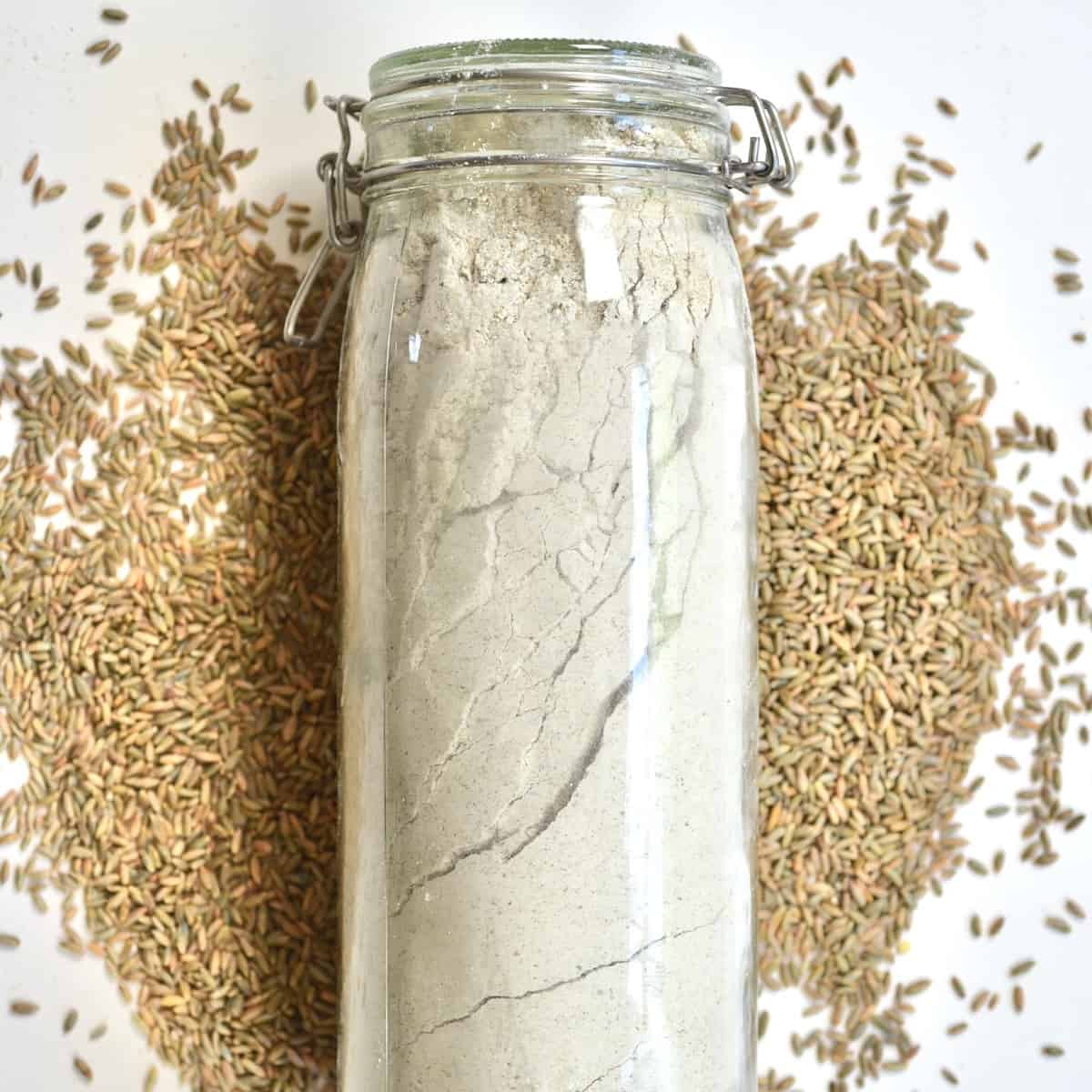
Unlocking Healthier Baking: A Guide to Making Whole Grain Rye Flour (Pumpernickel Flour) at Home
Embarking on a journey towards healthier and more flavorful baking often leads home cooks down fascinating paths – one of the most rewarding is discovering the magic of freshly milled flours. While it might seem a step beyond the typical grocery run, learning how to make rye flour pumpernickel flour right in your own kitchen offers unparalleled benefits in taste, nutrition, and cost-effectiveness. Forget vaguely labeled bags from the store; with a simple grain mill and whole rye berries, you can create a wholesome, robust flour that will transform your bread, pastries, and more.
Homemade whole grain rye flour, often interchangeably referred to as pumpernickel flour, is a powerhouse of vitamins, minerals, antioxidants, and dietary fiber. Unlike many commercially processed flours, milling at home ensures that every nutrient-rich component of the rye berry – the bran, germ, and endosperm – is retained. This comprehensive guide will walk you through the simple process, demystify rye varieties, and empower you to create a foundation for truly healthier and more authentic baked goods.
What Exactly is Rye? A Wholesome Grain with a Rich History
Rye (Secale cereale) is a cereal grain closely related to wheat and barley, yet it boasts distinct characteristics and a unique culinary identity. Visually, rye berries are longer and more slender than wheat kernels. Its origins trace back over 2,000 years, initially finding its footing as a staple food in colder climates, often referred to as a "poverty grain" due to its hardiness and ability to thrive in poor soils where wheat struggled. Today, however, rye is celebrated for its distinctive flavor profile – earthy, tangy, and slightly nutty – and its impressive nutritional benefits.
One of rye's most remarkable attributes is the difficulty in separating its bran and germ from the endosperm during milling. This inherent quality means that most rye flours, especially those that are whole grain, naturally retain a significant portion of their nutrients, far surpassing many refined wheat flflours. Consider this: a mere 1/3 cup serving of whole rye flour can provide a substantial percentage of your daily recommended intake for essential nutrients:
- Manganese: Up to 63%
- Dietary Fiber: Around 30%
- Phosphorus: Approximately 26%
- Copper: Roughly 22%
Beyond these, rye also boasts a higher lysine content than wheat flour, contributing to a more complete amino acid profile. Furthermore, rye is unique among common bread grains because it can be used to make yeast-leavened breads without needing to be blended with wheat flour for structure – a testament to its inherent baking capabilities, albeit with a different dough structure.
Demystifying Rye Flour Varieties and the Gluten Question
The world of rye flour can be confusing, largely due to inconsistent labeling. You might encounter terms like "chop," "meal," "light flour," "medium flour," and "dark flour" on commercial packages. When you make rye flour pumpernickel flour at home, you are essentially creating the most complete version: whole grain rye flour, which encompasses all the components of the rye berry. This is precisely what is often referred to as pumpernickel flour – a coarsely ground, entire rye berry flour.
Now, let's tackle a common misconception:
Is Rye Flour Gluten-Free?
The answer is a definitive no. Despite some initial assumptions, rye flour does contain gluten and is therefore not safe for individuals adhering to a strict gluten-free diet. However, the gluten found in rye, primarily 'gliadin', differs structurally from the gluten (glutenin and gliadin) in wheat. This difference significantly impacts how rye dough behaves:
- Rye gluten forms shorter, less elastic strands compared to wheat gluten.
- This results in a stickier, denser dough that lacks the characteristic "stretch" and elasticity of wheat doughs.
- While it still provides some structure, rye breads tend to be denser with a tighter crumb.
For a deeper dive into rye's gluten content, its nutritional profile, and varied uses, explore our article: Homemade Rye Flour: Is It Gluten-Free? Benefits & Uses Explored.
Why Mill Your Own Rye: The Advantages of Freshness
The act of milling your own flour, especially whole grain rye, transcends mere novelty; it’s a commitment to superior flavor, nutrition, and control. Here’s why investing in the process of how to make rye flour pumpernickel flour is a game-changer for your baking:
- Unmatched Flavor: Freshly milled flour has an incredibly vibrant, complex flavor profile that store-bought flour simply cannot replicate. The natural oils and compounds are intact, contributing a deeper, richer taste to your baked goods.
- Peak Nutritional Value: The moment grain is ground, oxidation begins to degrade delicate nutrients like vitamins and antioxidants. By milling just before you bake, you ensure maximum nutrient retention, making your baking truly healthier.
- Cost-Effective in the Long Run: While the initial investment in a grain mill and whole rye berries might seem higher, buying berries in bulk and milling as needed can often be more economical than purchasing specialty whole grain flours from health food stores.
- Complete Control: You dictate the fineness or coarseness of your grind. Want a coarser pumpernickel flour for a hearty, traditional loaf? You got it. Need a finer grind for a lighter rye sourdough? No problem.
- No Processing or Additives: Your homemade flour is 100% pure rye berry, free from anti-caking agents, bleaches, or other industrial processes found in some commercial flours.
How to Make Whole Grain Rye Flour (Pumpernickel Flour) at Home
The process of transforming humble rye berries into robust, flavorful flour is surprisingly straightforward. All you need are two key components:
Equipment You'll Need:
- Whole Rye Berries: Look for organic, food-grade rye berries from reputable sources. Health food stores, online grain suppliers, or local co-ops are excellent places to find them.
- Grain Mill: This is the essential tool. Options range from affordable manual hand-crank mills to powerful electric mills.
- Manual Mills: Great for smaller batches, offer a good workout, and don't require electricity.
- Electric Mills: Ideal for larger quantities, faster, and offer consistent grind sizes. Brands like Mockmill, Grainfather, and Nutrimill are popular choices.
Step-by-Step Guide to Milling Your Own Rye Flour:
- Inspect Your Rye Berries: Before milling, quickly check your rye berries for any debris or foreign particles. While rare with good quality berries, it's a good practice. No washing is necessary.
- Prepare Your Grain Mill: If it's a new mill or hasn't been used in a while, give it a quick clean according to the manufacturer's instructions. Ensure all parts are correctly assembled. For electric mills, set the grind fineness to your desired setting. For a true pumpernickel flour, a coarser grind is traditional, but you can adjust for other recipes.
- Begin Grinding:
- Electric Mill: Place a bowl beneath the output chute. Turn on the mill and slowly pour the rye berries into the hopper. The mill will do the work, converting the berries into flour. For a very fine grind (more like a medium rye flour), you might need to run the flour through a second pass at a finer setting.
- Manual Mill: Secure the mill to a sturdy surface. Place a bowl to collect the flour. Pour a small amount of rye berries into the hopper and begin cranking. Adjust the grind setting as you go to achieve your desired consistency.
- Collect and Inspect: Once all the berries are milled, examine your fresh rye flour. It should have a slightly coarse, gritty texture for pumpernickel, or a finer, powdery feel if you aimed for a medium grind. Notice the rich, earthy aroma – that's the smell of freshness!
- Storage: Freshly milled whole grain flours have a shorter shelf life than their refined counterparts due to the presence of oils in the germ. Store your homemade rye flour in an airtight container in a cool, dark place for immediate use (up to a week or two). For longer storage, freeze it in an airtight container or bag for several months.
Baking with Homemade Rye Flour: Tips for Success
Working with homemade whole grain rye flour is a unique and rewarding experience. Its distinct characteristics require a slightly different approach than baking with wheat flour:
- Hydration is Key: Rye flour is very absorbent. Rye doughs often feel much stickier than wheat doughs and can require higher hydration levels. Don't be afraid if your dough feels less cohesive initially.
- Less Elasticity: As discussed, rye's gluten structure means less elasticity. This is why rye breads typically have a denser crumb and don't achieve the same voluminous rise as high-gluten wheat breads. Embrace the dense, satisfying texture!
- Fermentation: Rye flour is fantastic for sourdough starters due to its rich nutrient content, which yeasts and bacteria love. Rye sourdoughs develop deep, complex flavors.
- Common Uses: Your freshly milled pumpernickel flour is perfect for making traditional pumpernickel bread, hearty rye sourdoughs, crispbreads, Russian black bread, Boston brown bread, and even adding a distinctive flavor to pancakes or waffles.
To further understand the nuances between whole grain rye and other rye varieties, including their nutritional contributions to your baking, we recommend reading: Pumpernickel Flour vs. Rye: The Whole Grain Truth & Nutrition.
Conclusion
Learning how to make rye flour pumpernickel flour at home is more than just a culinary skill; it's an investment in your health, your palate, and your baking prowess. By starting with whole rye berries and a simple grain mill, you unlock a world of intense flavor, superior nutrition, and the satisfaction of truly homemade ingredients. Embrace the unique properties of this ancient grain, and prepare to elevate your baking to an entirely new, healthier, and more delicious level.
